(This post originally appeared on the carwow Product & Engineering blog on Medium) You may find this hard to believe, but not all people behind your favourite websites have your best interests in mind. Some, you might even say, are out to squeeze every last penny from you before you leave. Ads covering every spare […]
Category: Conversion Testing

This article first appeared on the carwow blog on Medium. Gut feel and opinion go a long way, but it can also take you down the wrong path if you don’t listen to your audience. At carwow, we’re strongly opinionated but it doesn’t rule our decision-making. We use data and user feedback to inform our opinions […]

Spam is a pain in the arse. That’s pretty much something we all agree on. Some of it’s destructive; some malicious; most of it pointless; clogging up email; bloating CRM systems and messing up tracking and reporting. reCAPTCHA, the most common counter measure, has long been a frustrating user experience, resulting in many an abandoned […]
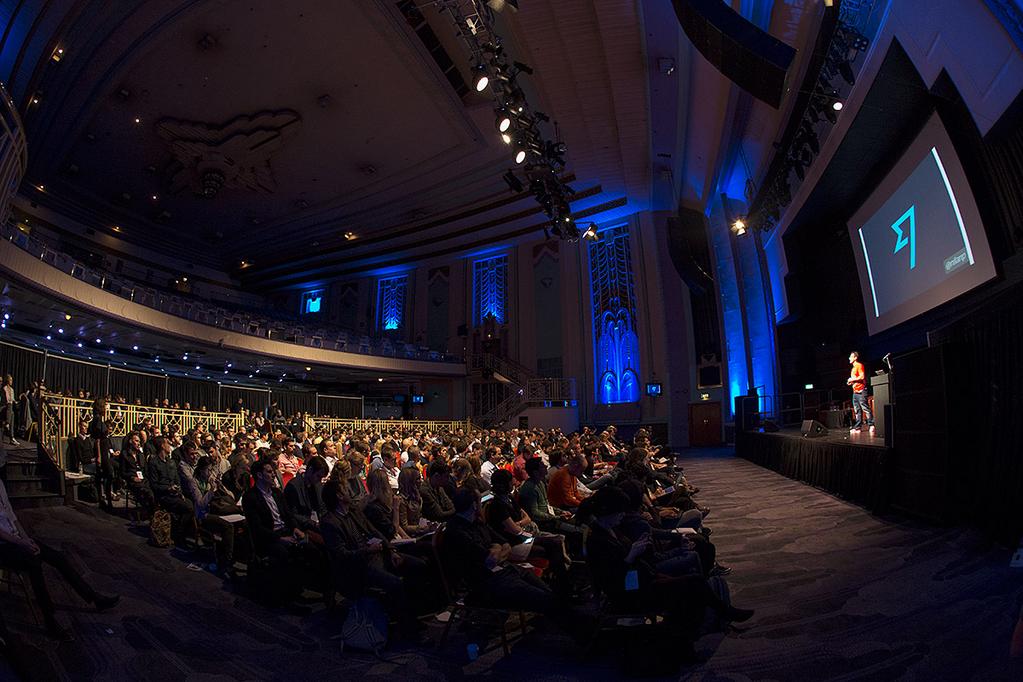
The first rule of Growth Hacking? Don’t talk about growth hacking. That was my paraphrased tweet quoting one of the speakers at the Growth Hacking Conference in London recently. It seems I’m not the only one who isn’t a fan of the name but feels the principles behind it are sound, if a little misunderstood. Many people […]

When the subject of conversion optimisation comes up, most of the talk is about on-page optimisation – utilising A/B or multi-variant tests to determine which headlines, calls to action, images or page layout persuades your visitor to take the necessary steps to reach their goal (and yours). It’s not the only way, mind you. There […]

We do like to make things complicated. We see something simple and feel like its missing something. It’s been a while since we launched this, we should probably do an upgrade; customers expect new features; some bells and whistles would be nice. Tell me, what couldn’t be improved with some extra bells and whistles?? Turns out an […]
When we do something for long enough, we start to find ourselves falling into routines. It’s how we get through the day, the week, life, without having to over-analyse everything. The problem is those routines aren’t always for the best. We take shortcuts, connect dots where they shouldn’t be connected and hold on to conventions. […]

Smart ecommerce retailers enjoy healthier profits by employing conversion rate optimisation techniques on their websites. Smart recruiters could do well by following suit. If you’re new to the term ‘conversion rate optimisation’, its essentially getting more people to do the thing you want them to do. In retail terms, getting more people who land on […]

“Who owns the website?” It’s a simple question, but one that is difficult to answer. I couldn’t say for sure, when I was asked it this week. If you asked the same question to people from different departments across your organisation, I expect you’d get many different answers. The majority of which would be along the lines […]

Does your Search specialist input into the briefing of your creative agency for your next print, TV or radio campaign? No? How about your Email marketer? Probably not and why would they? That’s offline. These guys focus on clicks not branding, right? In many businesses there is a distinct line separating the Online (technical) marketers […]